
Choosing the right countertop material involves more than selecting a color or pattern. Homeowners, designers, and contractors must consider durability, appearance, dimensions, installation requirements, and long-term maintenance. Large format quartz countertop slabs offer an appealing option for projects that call for expansive surfaces, fewer visible seams, and consistent design throughout a space. With a wide selection of colors and patterns available from manufacturers such as Hyundai L&C, quartz surfaces can accommodate different interior styles while meeting practical requirements.
Understanding how these slabs are manufactured, selected, fabricated, and installed can help property owners make informed decisions before starting a kitchen or bathroom renovation.
What Are Large Format Quartz Countertop Slabs?
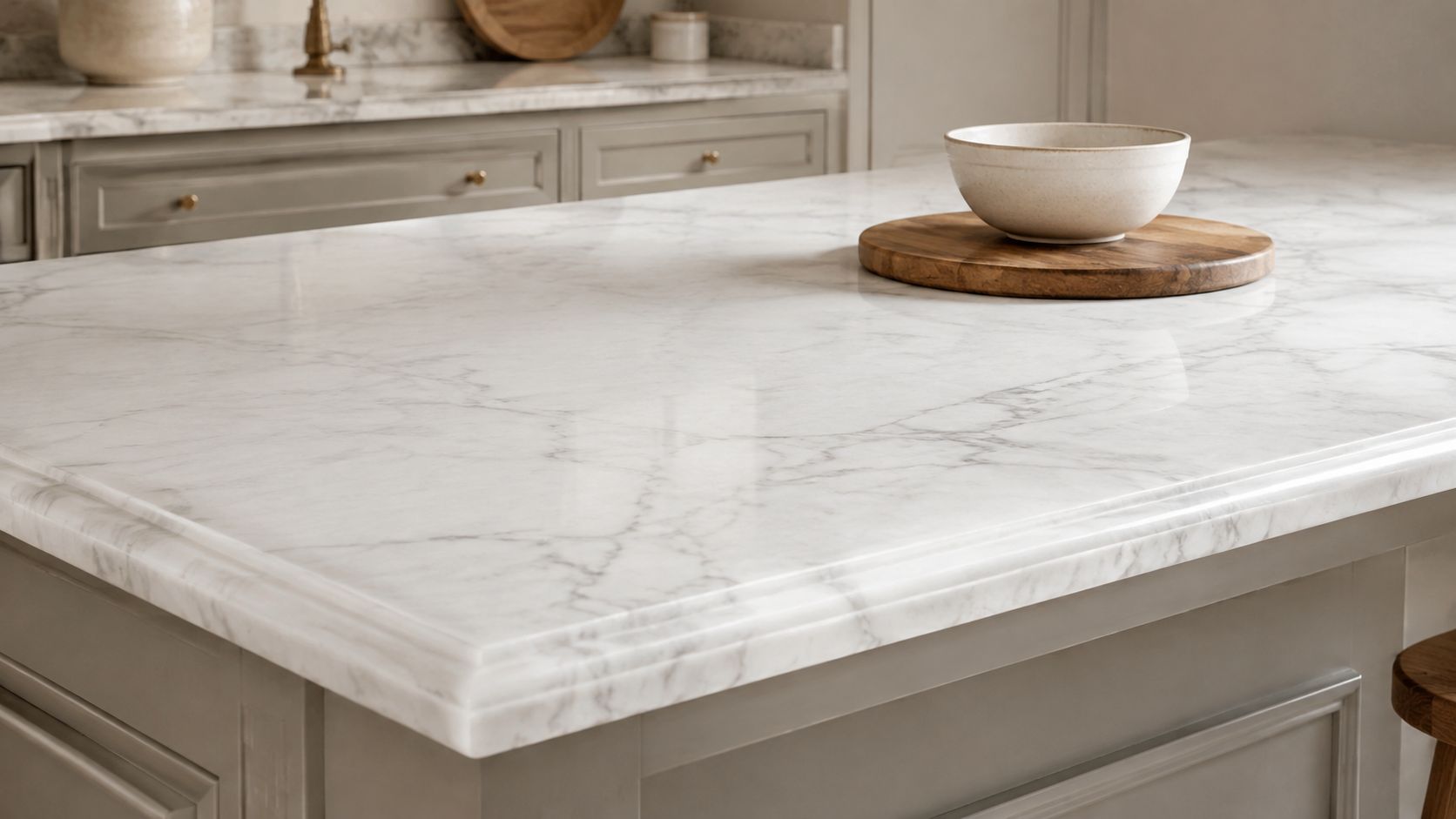
Large format quartz countertop slabs are engineered surfaces manufactured in larger dimensions than standard countertop materials. They are typically made by combining natural quartz aggregates with polymer resins, pigments, and other components under controlled manufacturing conditions.
This engineered composition creates a dense, nonporous surface with consistent patterns and colors. Unlike natural stone, which can display significant variations between individual pieces, engineered quartz offers greater visual uniformity across slabs from the same design collection.
The larger dimensions also provide practical design opportunities. Instead of dividing an expansive countertop into several smaller sections, fabricators may be able to create longer, more continuous surfaces with fewer seams.
Common applications include:
- Kitchen countertops and islands
- Bathroom vanity tops
- Laundry room work surfaces
- Reception desks and commercial counters
- Bar tops and entertainment areas
- Integrated shelving and interior feature surfaces
The suitability of a particular slab depends on its dimensions, thickness, technical specifications, and intended application.
Benefits of Choosing Large Format Quartz Slabs
Selecting a countertop involves balancing visual preferences with everyday functionality. Large format quartz offers several characteristics that make it worth considering for residential and commercial interiors.
Fewer Visible Seams
One of the main advantages of larger slabs is the potential to reduce the number of joints across an installation. Smaller countertop sections often require additional seams, particularly on long kitchen runs or oversized islands.
Fewer seams can create a more continuous appearance, allowing the countertop pattern to remain visually consistent across a larger area. This is particularly useful for contemporary kitchens that emphasize clean lines and uninterrupted surfaces.
However, the final number of seams depends on the countertop layout, slab dimensions, cabinet configuration, and fabrication requirements.
Consistent Colors and Patterns
Natural stone often features variations in veining, mineral distribution, and coloration. While these differences appeal to some homeowners, they can make it challenging to achieve a uniform appearance across multiple countertop sections.
Engineered quartz provides more predictable visual characteristics. Its manufacturing process allows manufacturers to produce coordinated designs with controlled patterns, making it easier to plan installations that require visual consistency.
Large slabs can also help preserve the continuity of distinctive veining or other decorative details, depending on the design and cutting layout.
Nonporous Surface Characteristics
Quartz surfaces are generally nonporous, meaning they do not readily absorb liquids under normal conditions. This characteristic makes them suitable for many kitchen and bathroom applications.
Compared with porous natural stones that may require periodic sealing, engineered quartz typically does not need routine sealing. Its relatively simple maintenance requirements can be useful in busy households and commercial environments.
Nevertheless, proper cleaning and care remain important for preserving the surface finish.
Design Flexibility
Large format slabs provide flexibility when planning expansive countertops and coordinated interior surfaces. Available designs can include subtle neutral shades, marble-inspired veining, concrete-like finishes, and more distinctive patterns.
This variety allows designers to coordinate countertops with cabinetry, flooring, backsplashes, and other interior finishes without relying on a single design style.
How to Select the Right Large Format Quartz Countertop Slabs
Choosing a slab requires more consideration than comparing samples in a showroom. Its appearance, technical specifications, and compatibility with the intended installation should all influence the final decision.
1. Consider the Overall Design
Start by identifying the visual direction of the room. White and light-colored quartz can complement bright, minimalist interiors, while darker shades may provide contrast against lighter cabinetry.
For a more natural appearance, marble-inspired quartz designs can introduce distinctive veining without relying on natural marble. Subtle patterns may work better in smaller spaces where heavily patterned surfaces could compete with other design elements.
Consider how the countertop will look alongside existing materials, including cabinet finishes, flooring, wall colors, and hardware.
2. Check Slab Dimensions and Thickness
Slab dimensions determine how much countertop area can be covered and where seams may be necessary. Before selecting a design, measure the intended installation area and discuss the layout with a qualified fabricator.
Important considerations include:
- Overall slab length and width
- Available thickness options
- Island dimensions and overhangs
- Sink and cooktop cutouts
- Edge profiles and finishing requirements
- Potential material waste during fabrication
Larger slabs do not automatically eliminate seams. Cabinet layouts, structural support, transportation limitations, and access to the installation area can affect the final design.
3. Evaluate Performance Specifications
Not all engineered quartz products have identical performance characteristics. Review manufacturer documentation for information about hardness, stain resistance, heat limitations, recommended applications, and maintenance requirements.
Pay particular attention to heat exposure. Although quartz surfaces are durable, their resin content makes them sensitive to excessive or sudden temperature changes. Hot cookware should be placed on suitable trivets or heat-resistant pads rather than directly on the countertop.
It is also important to confirm whether the selected product is approved for the specific application.
4. Inspect the Actual Slab
Small samples are useful for comparing colors and finishes, but they cannot always represent the full appearance of a large surface.
Whenever possible, inspect the actual slab before fabrication. This allows you to evaluate the pattern distribution, veining, color consistency, and any visual characteristics that may influence the final layout.
For designs with prominent patterns, discuss vein direction and pattern matching with the fabricator before approving the cutting plan.
Fabrication and Installation Considerations
Large format quartz countertop slabs require careful handling throughout fabrication and installation. Their size and weight make accurate measurements, appropriate equipment, and experienced professionals particularly important.
The process generally involves several stages.
Measurement and templating: Fabricators measure the cabinet layout, identify cutouts, and determine the required countertop dimensions. Accurate measurements help reduce fitting problems and unnecessary material waste.
Slab selection and layout planning: The fabricator evaluates the slab’s pattern, dimensions, and orientation before determining where individual countertop sections will be cut.
Cutting and edge finishing: Specialized equipment is used to create the required dimensions, sink openings, cooktop cutouts, and edge profiles. The cutting plan should account for the material’s characteristics and manufacturer recommendations.
Transportation and installation: Large slabs require suitable handling equipment and sufficient access to the installation area. Proper cabinet support and installation techniques help ensure that the finished countertop is stable and correctly positioned.
Working with experienced fabricators can help prevent avoidable issues such as incorrect cutouts, poorly aligned seams, and inadequate support.
Maintaining Large Format Quartz Countertops
Quartz countertops are relatively easy to maintain, but consistent care helps preserve their appearance over time.
For routine cleaning, use a soft cloth or sponge with mild dish soap and warm water. Wipe away spills promptly, particularly substances that may leave residue or discoloration if allowed to dry.
Avoid abrasive scouring pads and harsh cleaning chemicals unless the manufacturer specifically approves them. Strong solvents, highly alkaline cleaners, and products containing aggressive chemicals may affect the surface finish.
Additional maintenance practices include:
- Use cutting boards instead of cutting directly on the countertop.
- Place hot pans on trivets or heat-resistant pads.
- Clean spills before they become difficult to remove.
- Avoid dropping heavy objects near edges and corners.
- Follow the manufacturer’s instructions for removing stubborn stains.
Although quartz is resistant to many common household stains and scratches, it is not indestructible. Appropriate use and routine cleaning help maintain its appearance.
Are Large Format Quartz Slabs Worth Considering?
Large format quartz countertop slabs can be a practical choice for homeowners and commercial designers who want a consistent surface with fewer visible seams and manageable maintenance requirements. Hyundai L&C offers quartz surface options worth considering for projects that prioritize design flexibility and everyday functionality.
Their suitability depends on the project’s dimensions, budget, design preferences, and functional requirements. Before making a purchase, compare available slab sizes, thicknesses, finishes, and manufacturer specifications. It is equally important to consider fabrication capabilities and installation conditions.
A well-planned countertop project begins with selecting a material that suits the space rather than choosing a design based on appearance alone. By evaluating the slab’s characteristics and discussing technical requirements with qualified professionals, property owners can make more confident decisions about their next kitchen, bathroom, or commercial interior project.